
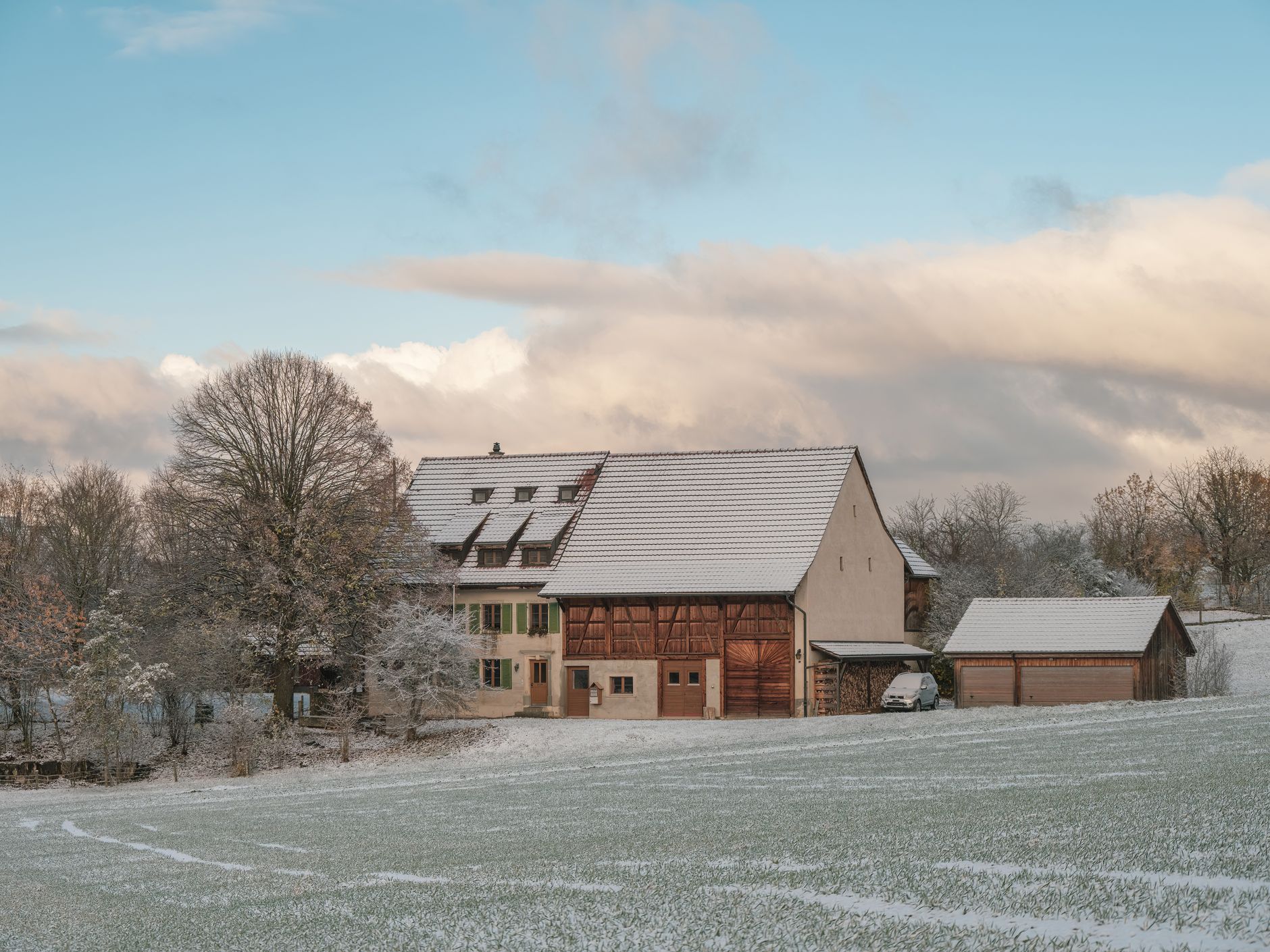
Help with utility bills can feel out of reach when the temperature drops and the heating bill climbs. If you live in a small town or out in the country, it can feel even harder, because the nearest help office may be a long drive away. In this guide, I share what heating may cost this winter, why rural families often pay a bigger share of their income for energy, and six steps to find help anywhere in the U.S.
Key takeaways
- Federal forecasts say the average home heated with propane will spend about $1,246 this winter, and the average home heated with electricity about $1,196.
- Rural households spend a median 4.4% of their income on energy, about one-third more than the national figure.
- LIHEAP is the federal program that helps families pay home heating and cooling bills. However, each state sets its own rules, and you apply through a local office.
- Dial 211 or visit 211.org to find local help with utility bills, including churches and nonprofits.
- Weatherization can lower bills for years. On average, weatherized households save $372 or more every year.
Where can you get help with utility bills this winter?
To begin, start with three places. First, call your utility or fuel company and ask about a payment plan. Next, apply for the Low Income Home Energy Assistance Program (LIHEAP) through your local office. Then dial 211 to find churches, nonprofits and other programs near you. It also helps to use more than one source, because LIHEAP is not designed to pay all of your energy costs.
What heating may cost this winter
The U.S. Energy Information Administration (EIA) released its Winter Fuels Outlook on October 6, 2026. In short, it estimates what the average household will spend on heat from November 2026 through March 2027. Below is the national picture as of November 2026.
| Main heating fuel | Forecast cost this winter | Change from last winter | Who uses it |
|---|---|---|---|
| Natural gas | $640 | Down 9% | 46% of U.S. homes in 2024 |
| Electricity | $1,196 | Up 4% | More than 40% of homes, especially in the South |
| Propane | $1,246 | Down 3% | More common in the upper Midwest and Northeast |
These numbers are national averages. Of course, your own bill depends on your home, your weather and your local prices. Still, the table shows why your fuel matters so much. For example, a home that heats with propane could spend almost twice what a home on natural gas spends.
Why rural families feel winter bills more
Country living has real blessings. However, low energy bills are usually not one of them. A national study by the American Council for an Energy-Efficient Economy (ACEEE) found that rural households spend a median 4.4% of their income on energy. That is about one-third higher than the national figure. Even more, for rural families with low incomes, the median climbs to 9%.
In fact, housing is part of the reason. In some regions, more than 20% of rural households live in manufactured homes, according to the same study. Fuel is also a factor. As the table above shows, propane costs far more on average this winter than natural gas.
Many rural homes also get power from an electric cooperative. America’s electric co-ops serve 42 million people, including 92% of persistent poverty counties, according to the National Rural Electric Cooperative Association. Because co-ops are consumer-owned, it is worth calling yours to ask what help it offers.
Six steps to get help with utility bills
You can use these steps in order. Or, if you prefer, start with the one that fits your situation best. Also, each one works whether you live in a city, a small town or on a farm road.
1. Call your utility or fuel dealer before you fall behind
Call as soon as you see trouble coming. Then ask about payment plans and budget billing, which spreads costs across the year. Also, ask about any winter shutoff rules in your state. Rules differ by state and by company, so write down what they tell you and who you spoke with.
2. Apply for LIHEAP
LIHEAP is a federal program, but you do not apply to the federal government. Instead, you apply through a local LIHEAP office in your state. For example, in our area, our partner CMCA helps with these applications. States set their own income limits. Federal rules cap those limits at 150% of the federal poverty guidelines or 60% of state median income, whichever is greater. Renters can qualify, too, so do not rule yourself out.
If you are not sure where to start, call the National Energy Assistance Referral line at 1-866-674-6327. It is open weekdays from 9 a.m. to 7 p.m. Eastern. Apply as early as your state allows. According to the LIHEAP consumer FAQ, only about 20% of qualified households receive benefits. You also need to apply again each year you need help.
3. Dial 211 for local help with utility bills
211 connects people with local resources, including help paying bills. Simply dial 211 or visit 211.org to reach your local line. Best of all, calls are confidential and can be anonymous. In 2025, the 211 network made 9.1 million referrals for help with housing, homelessness and utility bills.
4. Ask about weatherization help
The Weatherization Assistance Program, run by the U.S. Department of Energy, helps low-income households make their homes more energy efficient. According to a national evaluation, these households save $372 or more every year on average. The program runs through state and local agencies, so start by finding your state weatherization office. In addition, some LIHEAP offices can help repair a broken or inefficient furnace.
5. Reach out to local churches and nonprofits
To start, call a few churches near you, even if you do not attend one. Ask whether they help with utility bills or know who does. Some churches keep a benevolence fund, while others partner with a local ministry like Uplift Mid-MO. Then, if one church says no, ask for the name of another place to call. While Uplift doesn’t typically provide energy assistance, we will always ensure you are connected to the right community resources.
6. Make a simple winter bill plan
First, write down every bill, its due date and the amount that keeps service on. After that, put housing and heat at the top of the list. Then look for small cuts elsewhere until spring. If the holidays are adding pressure, my post on Christmas on a budget shows how to protect winter bills first.
How churches can offer help with utility bills
If you lead or serve in a church, winter is a good time to plan ahead. I am not a pastor, but Scripture gives churches a clear call:
“And do not forget to do good and to share with others, for with such sacrifices God is pleased.”
Hebrews 13:16 (NIV)
For example, here are a few ways a congregation can help without starting a big new program:
- Partner with a Christian Gap ministry like Uplift Mid-MO
- Set aside a winter utility fund, and pay the utility company or fuel dealer directly.
- Keep a short list of local numbers, including 211 and your area LIHEAP office, at the church office.
- Host an evening where volunteers help neighbors fill out LIHEAP and weatherization forms.
- Pair each family you help with a mentor who can walk through a budget with them.
For more ideas, see my post on church outreach ideas that build stability.
A small-town ministry example: warmth and stability

Here in Mid-Missouri, Uplift Mid-MO serves families in Audrain County. Our Heat & AC Assistance program steps in when a furnace or air conditioner goes out. We help homeowners share the cost of heating and AC repairs, up to $300 per household. If a repair is not possible, we can provide up to five space heaters or two window AC units per home. Heating help runs December through March, and cooling help runs July through August. Also, it is the one program people apply for directly, and funding is first come, first served.
Uplift does not typically pay energy bills. Instead, we work with LIHEAP partners like Central Missouri Community Action (CMCA), one of our agency partners. LIHEAP comes first. Once LIHEAP funds run out for the season, Uplift fills the gap and steps in to help cover services. That way, families are not left in the cold when the federal money is gone.
Families reach us through our church and agency partners, who refer them through the Uplift Clearinghouse, and we always pay the biller directly. In addition, our Caring Connections mentors work one-on-one with each person on career, budget, housing and resources. That way, one cold month does not undo a whole year.
However, we serve Audrain County only, so readers in other places will need help close to home. Ask local churches, dial 211, or look for a gap ministry near you. And if your church wants to build something similar, our Church Partnerships page shows how we work alongside local congregations.
Common questions about help with utility bills
Who qualifies for help with utility bills?
It depends on the program and your state. For LIHEAP, each state sets its own income limits, up to the greater of 150% of the federal poverty guidelines or 60% of state median income. Meanwhile, churches and nonprofits set their own rules, so ask each one.
Can I get help with utility bills if I heat with propane?
Possibly. LIHEAP helps households pay to heat their homes, but each state runs its own program. So ask your state LIHEAP office whether it covers propane and how payments reach your dealer.
How long does help with utility bills take?
In most cases, plan for a few weeks. The National Council on Aging says a LIHEAP decision usually takes 30 to 60 days. If your heat is about to be shut off, tell the office right away, because states must offer crisis help through at least March 15.
You do not have to face winter alone
Winter is hard. Even so, asking for help is not a failure. If you are behind on a bill, make one call today: to your utility, to 211, or to a church near you. If you are in a position to give, consider supporting a ministry that helps neighbors build lasting stability, or send a prayer request for a family you know. And if your church wants to start a winter utility fund, start small and start now.
If you live in Audrain County, Missouri, visit our Get Help page to learn how to connect with Uplift.
Sources
- U.S. Energy Information Administration, Winter Fuels Outlook, October 2026
- ACEEE, Rural Households Spend Much More of Their Income on Energy Bills
- NRECA, Electric Cooperative Fact Sheet
- HHS Administration for Children and Families, LIHEAP
- National Council on Aging, How Do I Apply for LIHEAP?
- HHS Administration for Children and Families, LIHEAP FAQs for Consumers
- U.S. Department of Energy, Weatherization Assistance Program
- HHS Administration for Children and Families, LIHEAP Fact Sheet
- 211.org, About 211


